
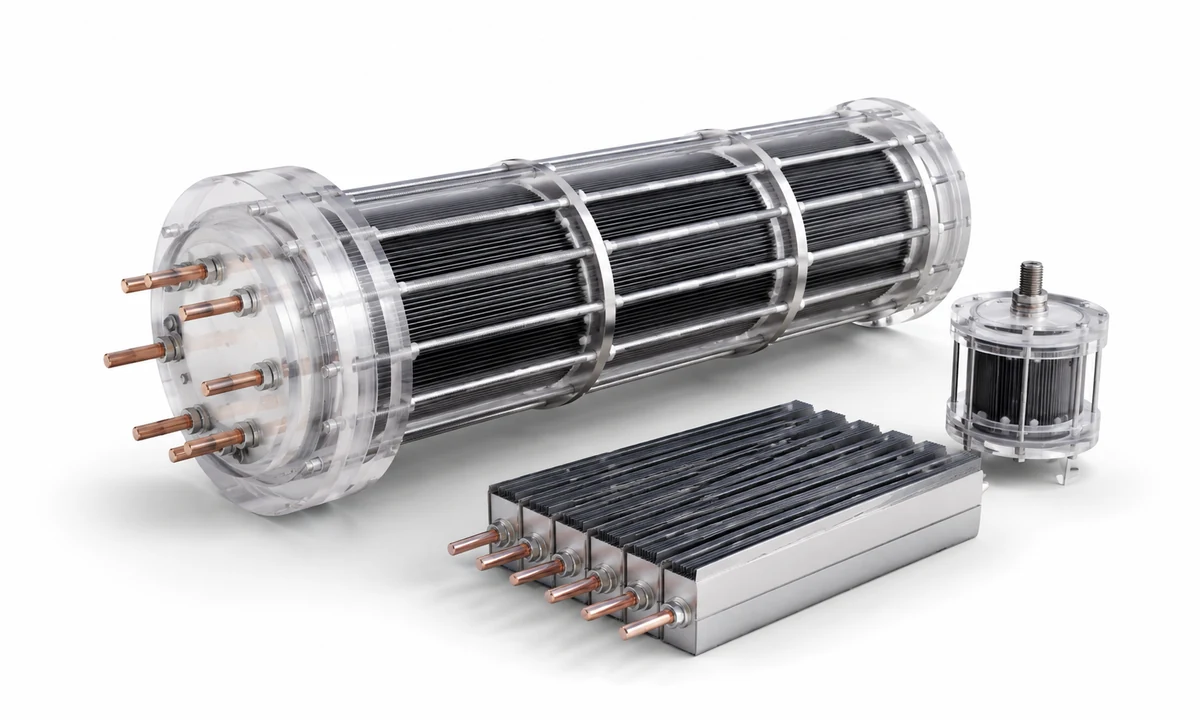
Electro-chlorination and sodium hypochlorite systems are often discussed as if the cell alone determines the final result. In real projects, the cell is only one part of a broader process that includes feed-water quality, salt or seawater conditions, power supply, flow control, hydrogen handling, scaling management and downstream dosing. For this reason, early communication should clarify the process target before the cell structure is discussed in detail.
Define the treatment objective first
The project may aim to produce low-concentration sodium hypochlorite for on-site disinfection, generate available chlorine from seawater, support cooling-water treatment, provide a swimming-pool or aquaculture disinfection source, or serve an industrial wastewater process. These applications have different expectations for available chlorine concentration, output stability, operating hours and maintenance access.
When possible, the enquiry should state the target available chlorine output, concentration range, daily production requirement, feed solution, expected operating schedule and whether the customer needs only the electrolytic cell or a wider equipment package. This helps avoid confusion between an electrode quotation, a cell quotation and a complete sodium hypochlorite generation system.
Water and brine data are important
Feed conditions influence electrode selection and cell design. Useful information includes salinity or salt concentration, chloride level, hardness, suspended solids, temperature, pH, conductivity and whether pretreatment is available. For seawater applications, seasonal variation and biological fouling risk may also affect the review. For brine applications, salt quality and insoluble impurities should be considered.
Scaling risk is especially important. Calcium and magnesium can build up on electrode surfaces and reduce performance if cleaning and pretreatment are not considered. A technically useful proposal should discuss the nominal output together with how the customer plans to operate, clean and monitor the system.
Clarify the cell boundary
- Cell body: material, sealing design, flow path, number of cells and installation arrangement.
- Electrodes: coating direction, electrode spacing, current distribution and replacement method.
- Electrical interface: DC power conditions, operating current, voltage range and control approach.
- Hydraulic interface: feed flow, outlet concentration target, pressure, pipe connection and drainage.
- Safety and auxiliaries: hydrogen venting, dilution, dosing, cleaning, monitoring and instrumentation boundaries.
From quick quote to technical review
For a quick first review, a customer can provide the application, feed solution, target output, site voltage, operating hours and whether a cell-only or equipment-module supply is expected. For a more detailed review, drawings, process diagrams, water analysis, room layout and local standards are helpful.
TJNE can support communication around electro-chlorination cells, sodium hypochlorite electrolysis units and related electrode components. The most accurate discussion begins with the desired treatment function and site conditions, then narrows down the cell configuration, electrode arrangement and supply boundary.