
Titanium anode selection
MMO coating choice, chlorine evolution vs oxygen evolution, current density, electrolyte compatibility and anode service expectations.
Knowledge & Updates
Product-selection knowledge, practical technical communication points and company information for customers, partners and project teams.
Technical insights
Browse short technical notes prepared for early supplier comparison and project discussions.
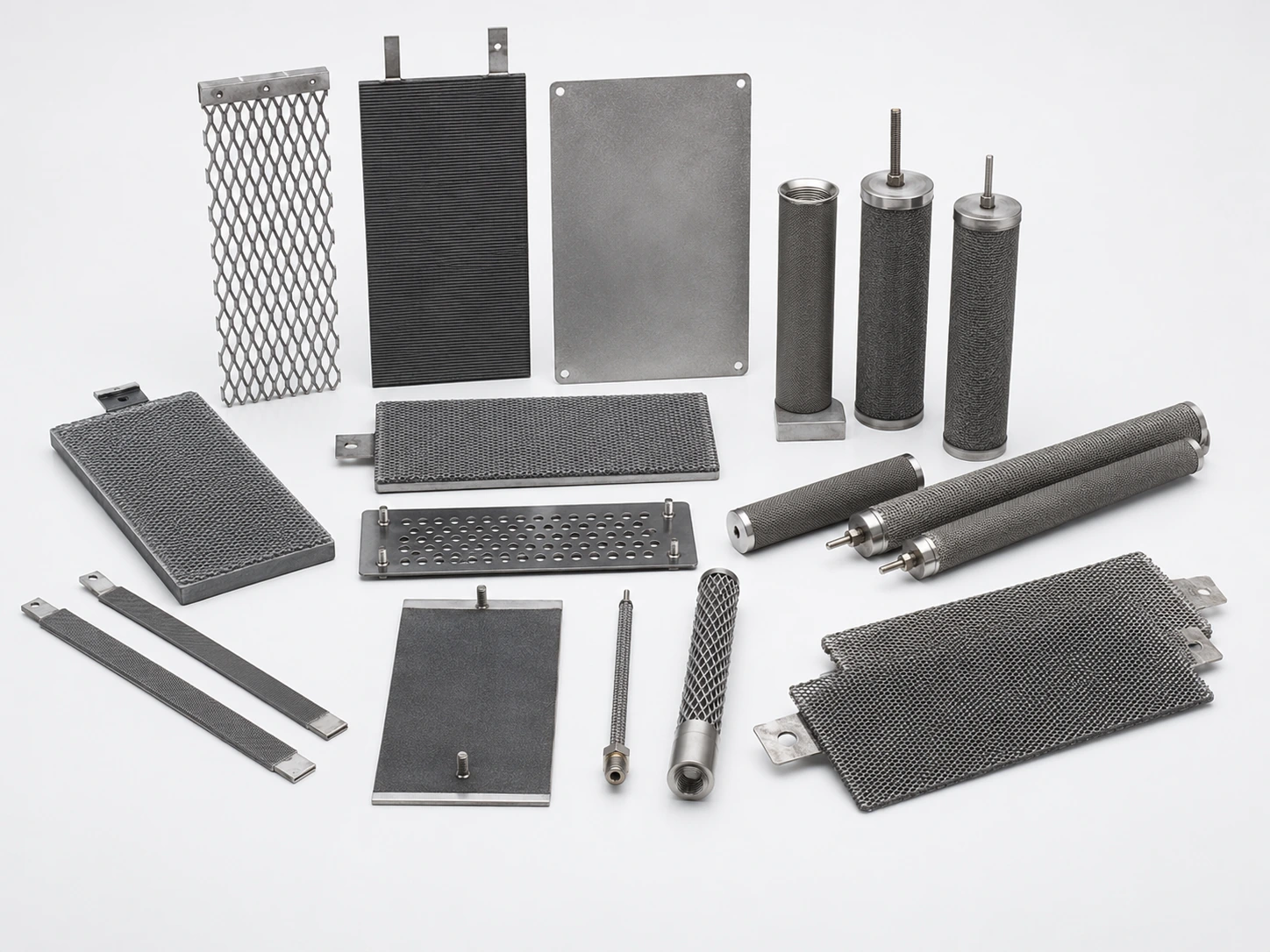
Expanded buyer checklist for comparing MMO titanium anode suppliers by coating direction, operating conditions, documentation, RFQ quality and project boundaries.
Read article →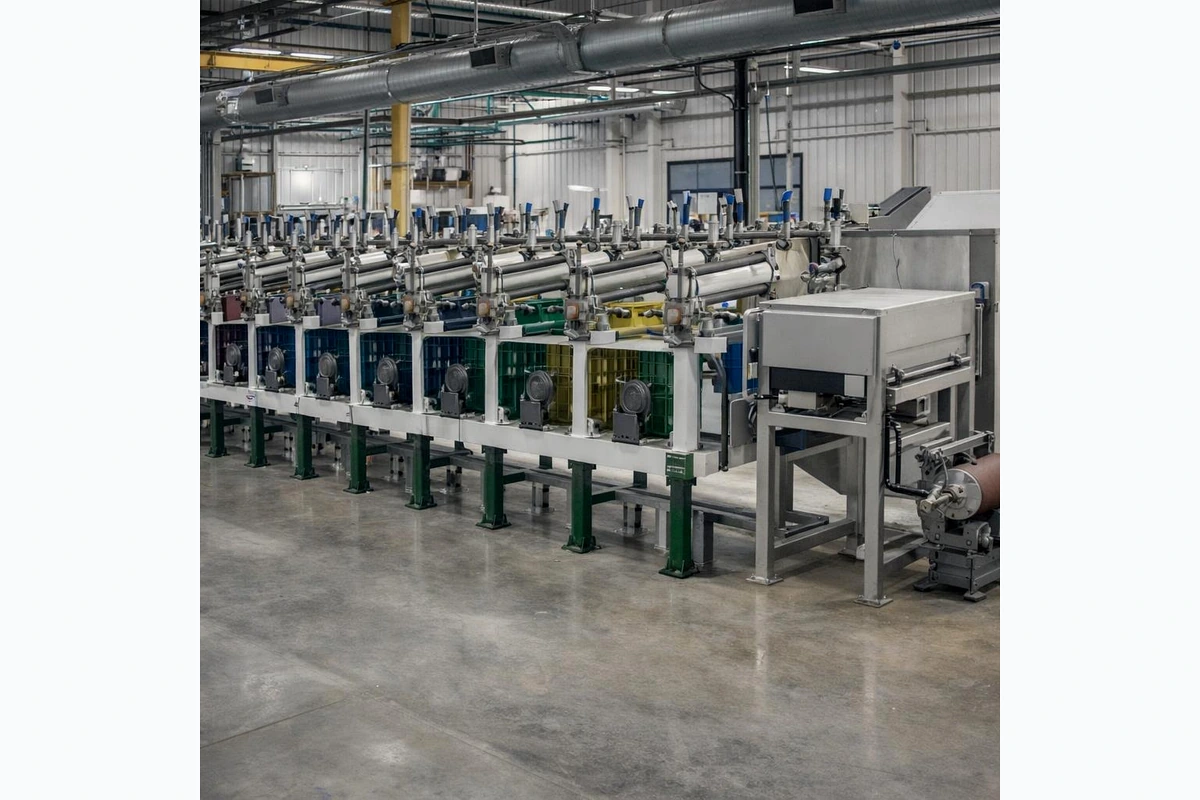
Expanded copper foil equipment checklist covering cathode drums, anode cells, copper dissolution, surface treatment, PET copper foil boundaries and scope definition.
Read article →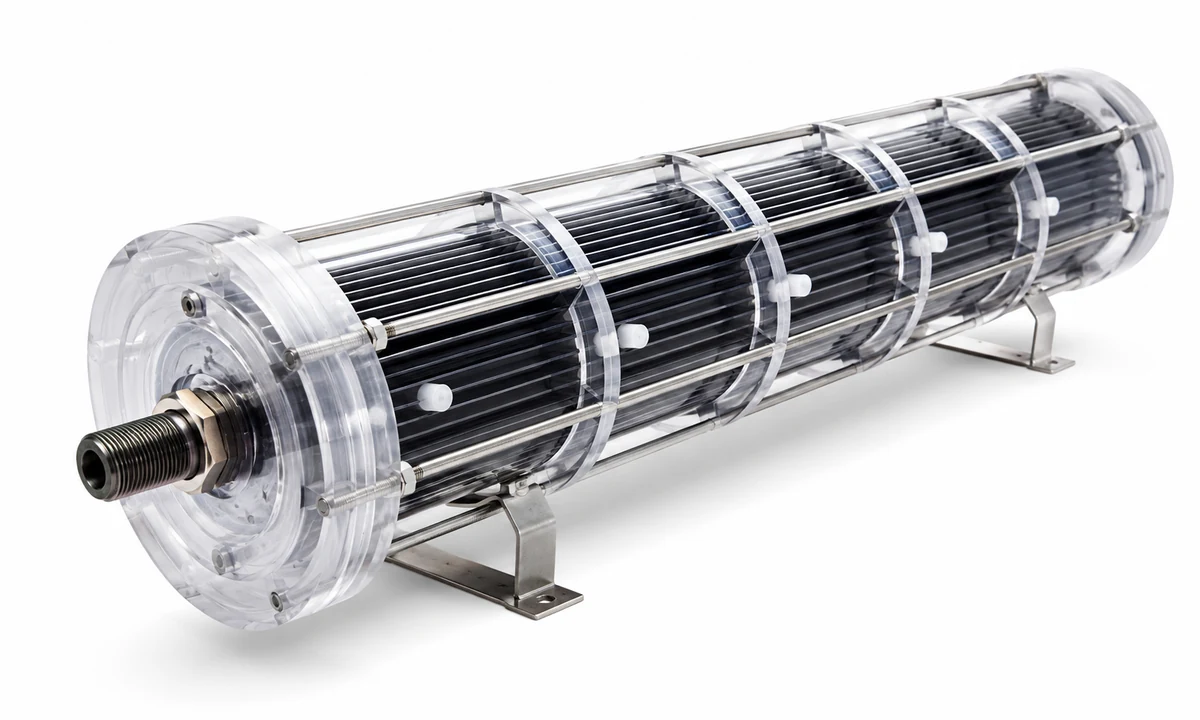
Expanded RFQ guide for sodium hypochlorite and electro-chlorination cells, including feed-water data, output targets, scaling, utilities and supply boundaries.
Read article →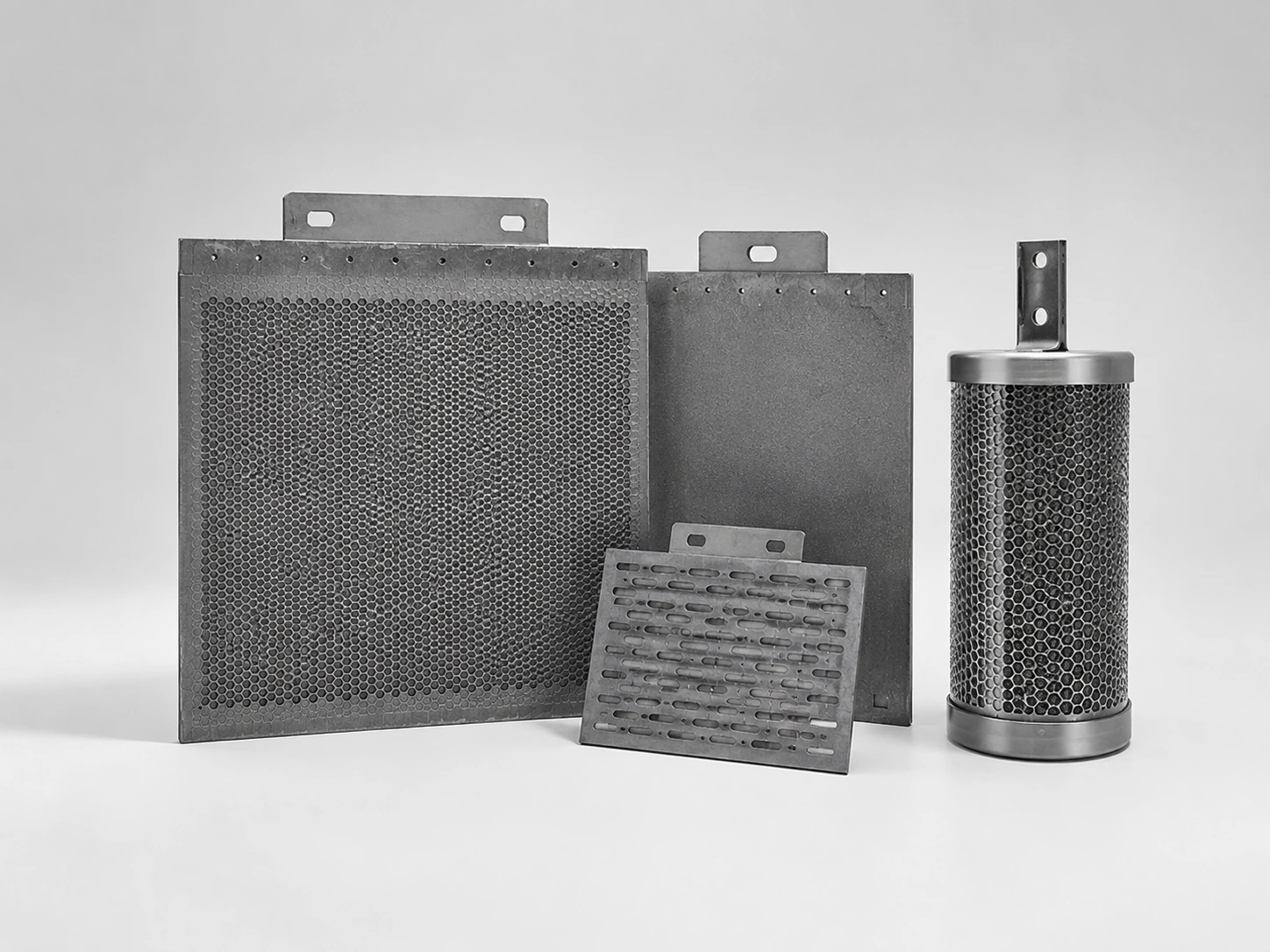
Expanded comparison of titanium and graphite anodes focusing on coating systems, dimensional stability, integration, maintenance and total operating cost.
Read article →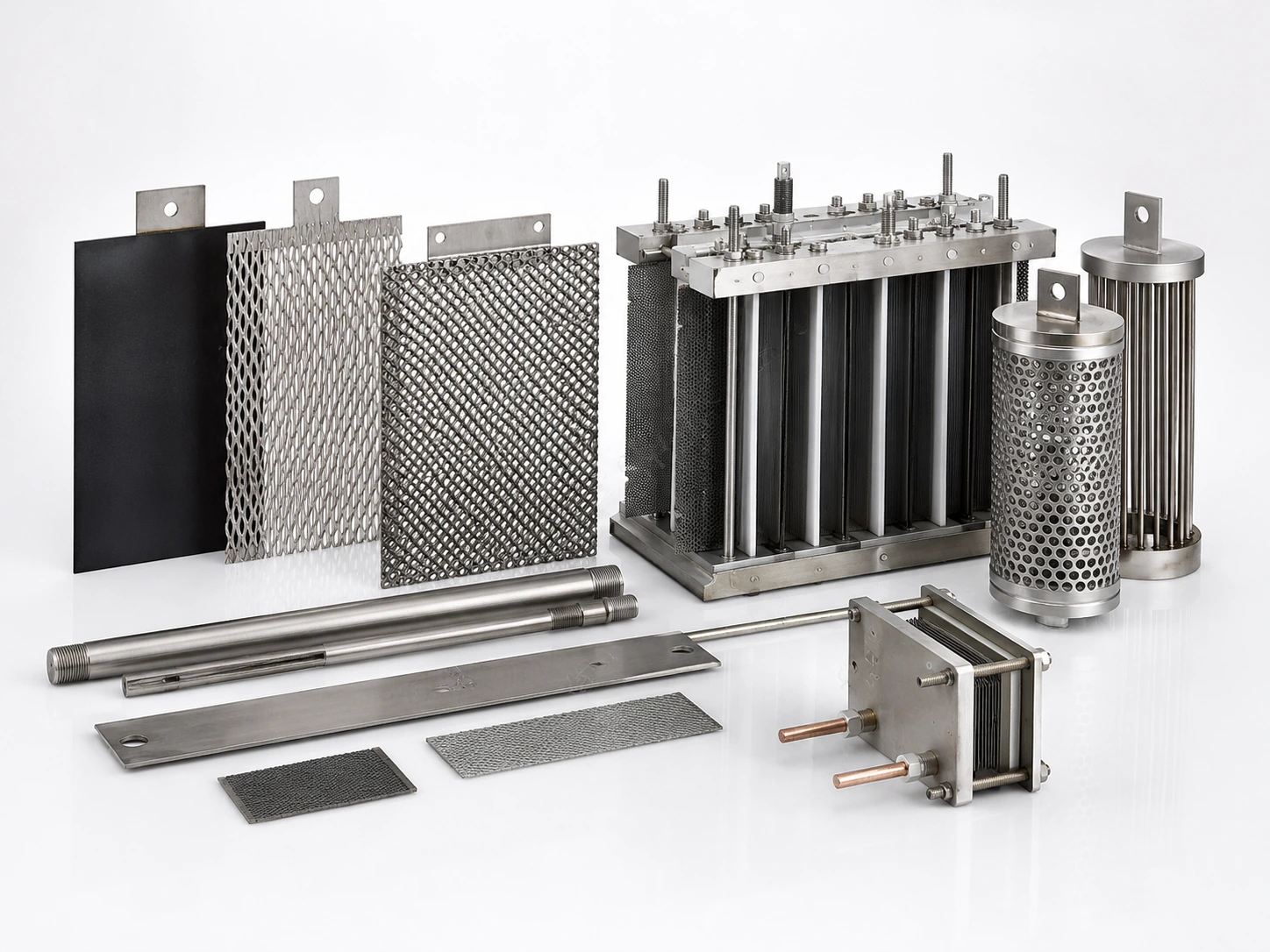
Expanded project input guide for custom titanium anodes, including application, electrolyte, current density, drawings, connection details and documentation needs.
Read article →A practical selection guide for MMO titanium anodes covering operating medium, coating direction, current density, geometry, connection design, service-life expectations and RFQ data.
Read article →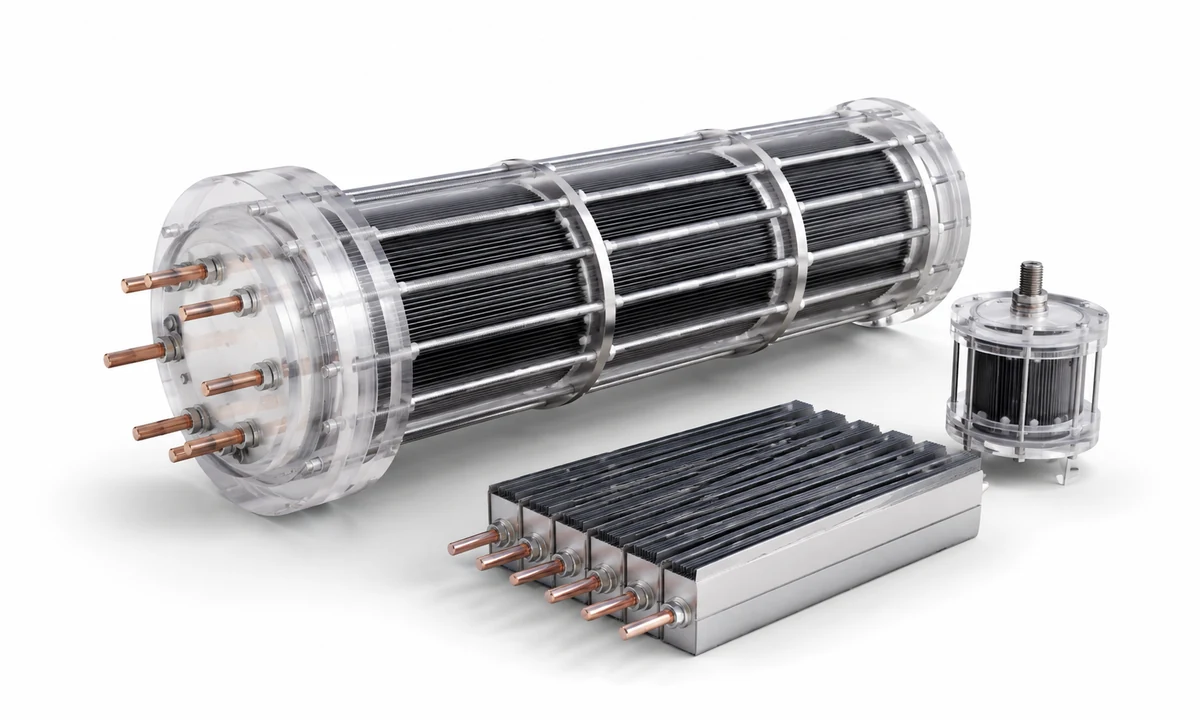
A practical RFQ guide for electro-chlorination and sodium hypochlorite cells, covering water quality, available chlorine target, cell boundary, operating mode, materials and documentation.
Read article →An overview of the key equipment modules in electrolytic copper foil production lines and why cathode drums, anode cells, copper dissolution and surface treatment must be reviewed as a system.
Read article →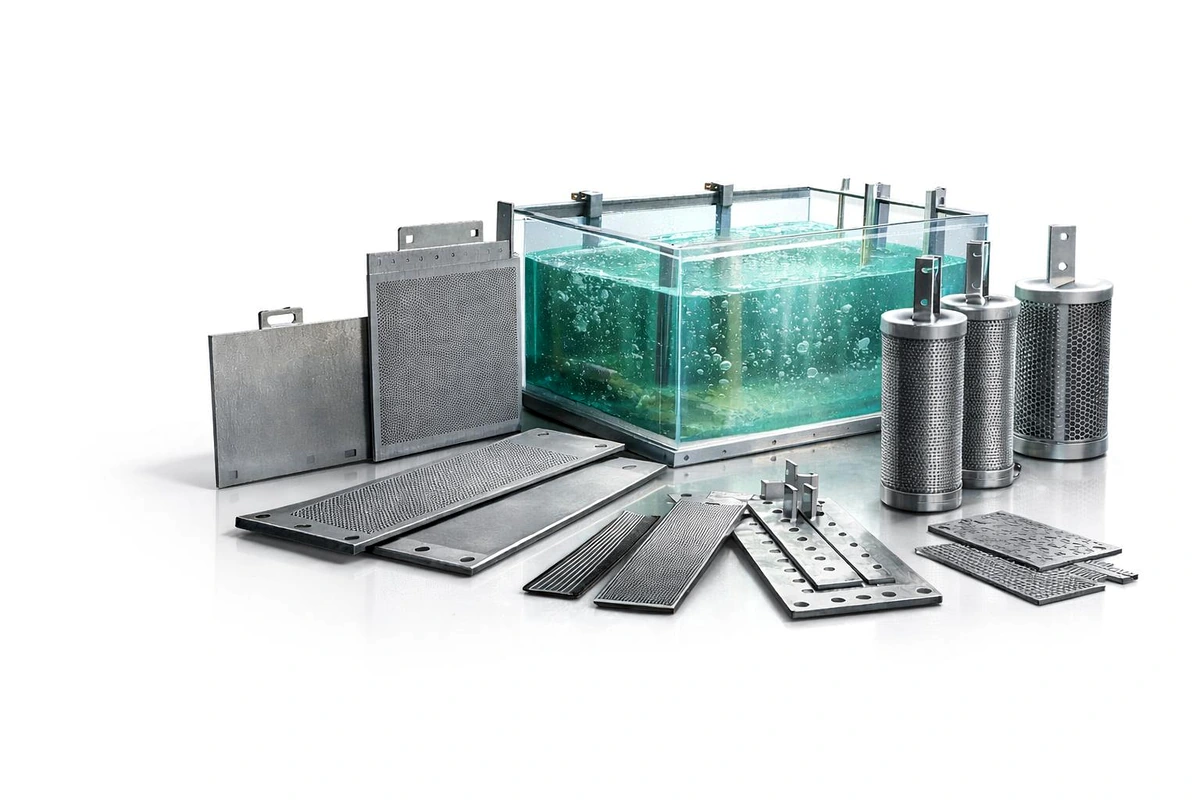
A structured guide to the questions that should be answered before selecting industrial electrochemical products, from process chemistry to electrical, mechanical and documentation requirements.
Read article →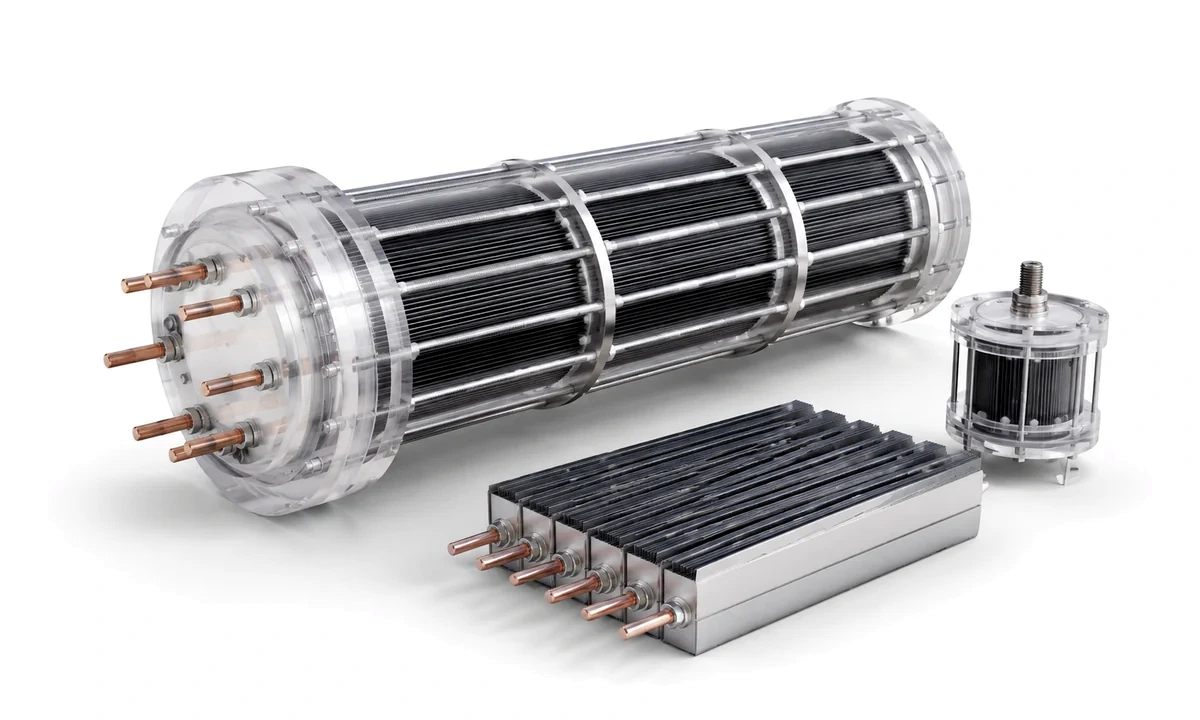
Why application-based communication is more effective for industrial electrochemical products than asking only by catalogue name, material or appearance.
Read article →Long-tail technical topics
These content themes help engineers compare suppliers and prepare project inputs before moving into detailed supplier review.
MMO coating choice, chlorine evolution vs oxygen evolution, current density, electrolyte compatibility and anode service expectations.
Cathode drums, anode cells, copper dissolution systems, surface treatment equipment and project-scope definition.
Sodium hypochlorite generation, electro-chlorination cells, brine quality, chlorine output and integration boundary.
Anode forms, coating thickness, operating environment and how anode supply interfaces with CP system design.
Company updates
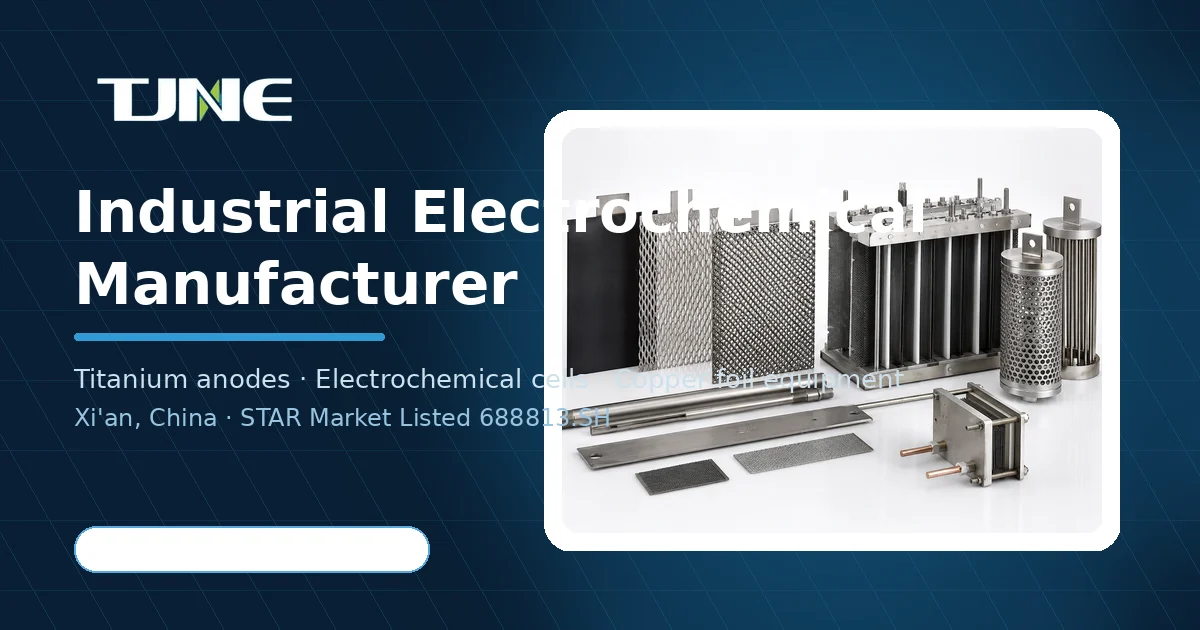
A short note clarifying the relationship between TJNE Global, TJNE, TJNEGlobal, TJANODE, tjanode, Taijin New Energy, Xi’an Taijin, 西安泰金, 泰金新能 and 西安泰金新能科技股份有限公司.
Read update →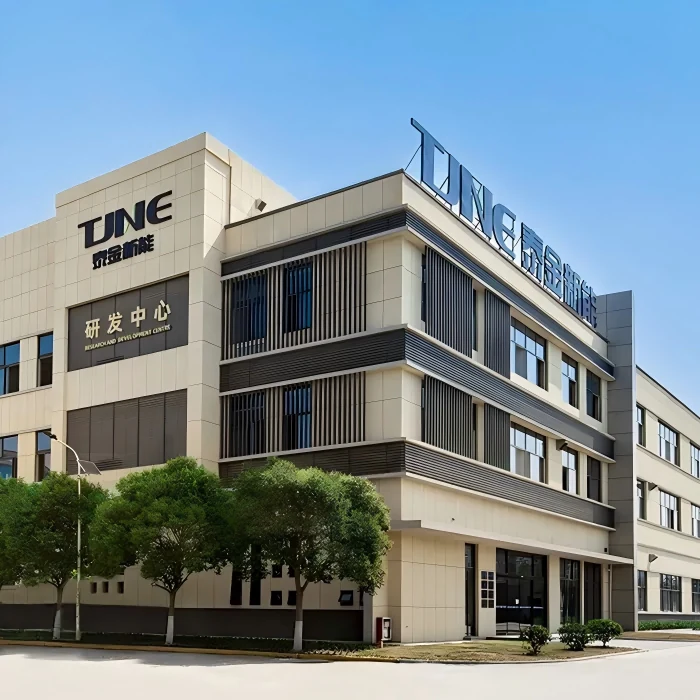
TJNE continues to present its integrated product capabilities across electrodes, electrolysis cells and core units, copper foil equipment and hermetic packaging.
Read update →Case-study style briefs
Short case briefs showing how application background, operating data and supply boundary are clarified before a technical proposal.
From foil target and site interface to cathode drum, anode cell and copper dissolution scope.
Read case brief →From CP design inputs to anode form, coating direction and component documentation.
Read case brief →From COD, salinity and chloride data to a clearer pilot-test or technical-review pathway.
Read case brief →FAQs
TJNE supplies titanium anodes and functional electrodes, PCB electroplating anodes, sodium hypochlorite equipment, hydrogen electrolysis cells, containerized hydrogen production units, copper foil equipment EPC and PET copper foil forming equipment modules, and hermetic components for industrial applications. Product discussion is based on application, operating environment and supply range.
Yes. TJNE can discuss substrate form, coating system, dimensions, connection method, cell structure, and documentation requirements based on the customer’s application environment and equipment interface.
TJNE can discuss anodes, electrodes, electrolytic cells and key electrochemical units for wastewater-related electrochemical oxidation applications. A suitable configuration is reviewed from water quality, salinity, chloride level, pH, temperature, flow rate and target discharge requirement.
TJNE supplies MMO auxiliary anodes and related electrode components for ICCP projects. Anode form, coating direction, cable connection, installation interface and documentation can be discussed with CP designers, EPC contractors and system integrators.
Please provide the application, electrolyte or water composition, pH, temperature, chloride or metal ion concentration where relevant, current density, working area, dimensions, quantity, expected duty cycle and any drawings or connection requirements.
Yes. TJNE can discuss hydrogen electrolysis cells, related electrochemical components and defined containerized hydrogen production units. The practical supply scope should be confirmed according to project boundary, output target, utilities and site conditions.
It depends on the product line. Copper foil equipment projects may involve key units, line integration or defined line-level cooperation. For many water treatment, cathodic protection and industrial electrolysis topics, TJNE mainly focuses on electrodes, cells, components and defined electrochemical units.
Typical inputs include foil type, width, thickness, output target, raw material route, utility conditions, required modules, automation needs, site layout and whether the enquiry concerns key equipment, line integration or a defined complete-line scope.